
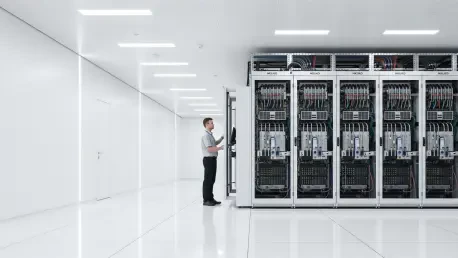
The transition from experimental artificial intelligence models to global production environments requires a fundamental shift in how organizations conceptualize their underlying cloud architecture. As the digital economy pivots toward high-density computing, the reliance on traditional hyperscale

The global digital landscape has undergone a tectonic shift where traditional, one-size-fits-all cloud computing models are no longer sufficient to meet the staggering demands of modern artificial intelligence workloads. As organizations move beyond experimental phases, the requirement for

The Australian technology landscape is currently witnessing a transformative consolidation as global cloud providers seek deeper penetration into local markets while establishing more resilient distribution networks. This strategic alliance between Ingram Micro Australia and Oracle marks a

The persistent gap between deep operational records stored in legacy ERP systems and the high-speed processing requirements of modern analytical platforms is finally being bridged by the SAP Business Data Cloud Connect for BigQuery. This strategic alliance represents a fundamental shift in how

The European digital landscape stands at a precarious crossroads where the availability of high-tier technical talent and robust data centers is undermined by a lack of cohesive market integration. This situation represents a classic industrial bottleneck where the raw materials for success are

When a burgeoning technology startup achieves its first major milestone of user growth, the celebratory mood often masks a silent predator lurking within the digital infrastructure that powers the application. The long-term financial health of such a company is often decided long before the first