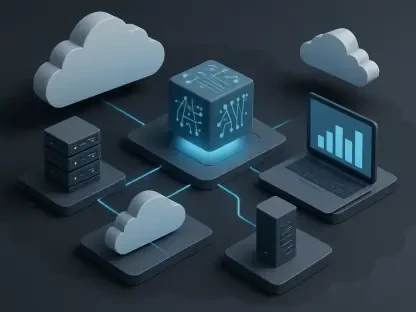

The shift from classical binary processing to the probabilistic world of qubits represents the most significant leap in computational power since the invention of the integrated circuit. As 2026 marks a pivotal moment in the deployment of early-stage NISQ (Noisy Intermediate-Scale Quantum) systems,
Modern enterprise security relies heavily on the assumption that cloud logging services provide an immutable record of truth, yet sophisticated threat actors are now systematically dismantling these systems to operate in complete darkness. While security teams traditionally focused on securing the

The inherent conflict between massive data collection and the fundamental right to privacy has reached a boiling point where users no longer feel secure trusting cloud providers with their most sensitive digital assets. While the General Data Protection Regulation and similar international

The publication of the European Commission’s Cloud and AI Development Act, widely referred to as CADA, represents a decisive and long-awaited pivot toward establishing technological autonomy across the continent. By introducing this sweeping legislative framework, Brussels aims to fundamentally

Engineering teams are quickly realizing that the raw intelligence of a large language model is secondary to the reliability of the architectural framework that feeds it context. In the rapid race to deploy generative artificial intelligence, the novelty of chat interfaces has been replaced by the
Apple’s longstanding commitment to user privacy faces its most significant technical hurdle yet as the company integrates complex artificial intelligence features that demand more than local silicon can provide. For years, the industry watched as the Cupertino giant localized data processing to the