
The hierarchical structure of the AWS ecosystem provides a clear roadmap for technical maturity, moving from basic cloud economics to advanced enterprise-grade architecture. In an era where digital agility defines corporate survival, the shift from legacy physical hardware to elastic, cloud-native
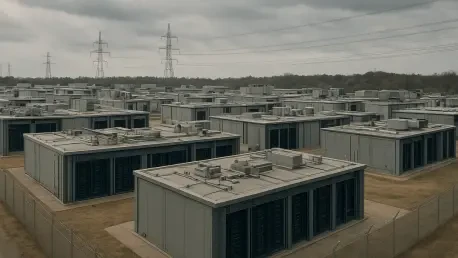
The tension between the insatiable demand for AI processing and the physical reality of power grid limits is reshaping the data center infrastructure market. The Data Center Physical Infrastructure market reached $14 billion in manufacturer revenue during the second quarter, representing a 27%

The first-ever IPv6-based DDoS attack to exceed 1 Terabit per second was recorded in early 2026, marking a significant milestone in network vulnerability. This event underscores a broader trend where the global cybersecurity landscape is defined by a dramatic escalation in both the volume and
The complexity of modern enterprise technology has reached a point where human intervention alone is no longer sufficient to maintain operational stability. Observability has evolved from a technical requirement into a foundational element for both human decision-making and the execution of

In the Apigee hybrid architecture, the control plane generates tool configurations from OpenAPI specs while the local cluster fetches that data through a secure sidecar. This integration represents a significant leap for enterprises that need to leverage generative artificial intelligence without
Crusoe’s modular factories successfully ran frontier AI models, including the DeepSeek-V3 671B, with the same per-GPU throughput measured in traditional high-density clusters. This achievement represents a fundamental pivot in how the industry perceives high-performance computing, moving away from