
Continuous action spaces in cloud management require sophisticated algorithms that can handle fine-grained resource adjustments rather than simple on-off switches. This paradigm shift has transformed our digital landscape from basic data repositories into a complex, high-stakes circulatory system

The BlueVerse OneToken framework, launched in late 2026, serves as a vendor-neutral routing layer for AI workloads across AWS, Azure, and Google Cloud. This specific architectural foundation allows global organizations to bridge the gap between initial generative experimentation and sustainable
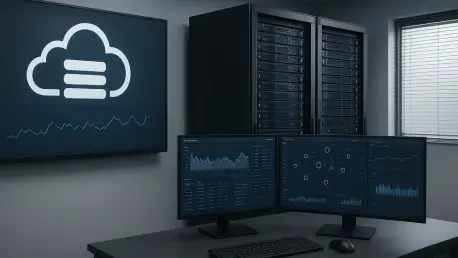
Self-scaling systems powered by artificial intelligence allow DevOps pipelines to allocate resources automatically by analyzing live traffic patterns as they occur. This fundamental shift has transitioned the concept of a data center from a physical collection of hardware into a dynamic,

The water consumed by Australia's data centers annually represents a mere 0.04 percent of the country’s total usage, significantly less than the amount required for public swimming pools. This striking statistic challenges the common narrative surrounding the environmental impact of these digital

Tech Mahindra is positioning itself as a leader in AI delivery by synthesizing Gemini Enterprise tools with deep domain-specific expertise. This strategic alignment addresses a pivotal moment in corporate technology where the novelty of generative models has given way to a rigorous demand for

Modern cloud platforms must tailor their interfaces to the specific roles of users, ensuring that data is both relevant and actionable for every stakeholder. As enterprises manage tens of thousands of accounts across disparate providers like AWS, Azure, and Google Cloud, the inherent fragmentation