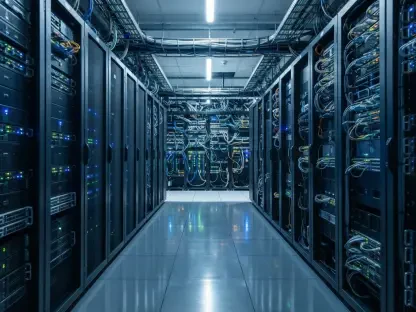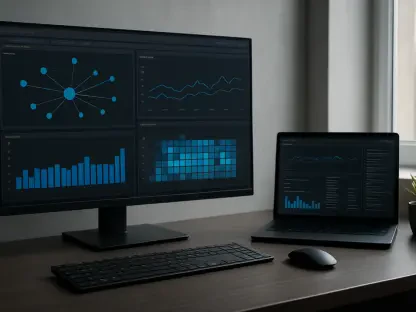

Maintaining physical tape archives requires constant re-silvering of media and the preservation of rare, aging hardware that is increasingly difficult to service or replace. Organizations from 2026 to 2028 are increasingly recognizing that the "save everything" mentality of previous decades has
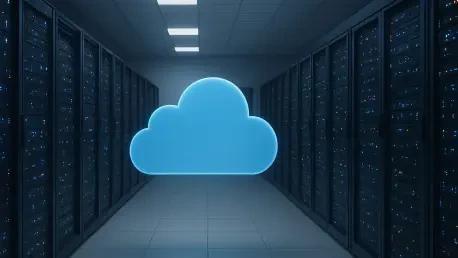
Oracle’s lean and modernized infrastructure stack allows the company to offer aggressive economics on high-value workloads compared to its larger cloud rivals. This shift marks a profound departure from its reputation as a legacy software giant, positioning the firm as a cornerstone of the public

Retail investors remain optimistic about the gaming sector despite conservative corporate guidance, banking on unprecedented pre-order momentum for high-profile software titles. This sentiment is indicative of a broader trend across the mid-2020s, where market participants are increasingly looking

Organizations can now address the growing demand for Large Language Model completions by tapping into the latent compute found in office-bound MacBook Pros and Mac minis. This development marks a significant departure from traditional reliance on centralized data centers, which have become

A decade of warnings regarding data management has failed to translate into operational success for many enterprises currently attempting to deploy sophisticated autonomous assistants. The technological industry stands at a critical juncture where the theoretical brilliance of generative AI often

The integration of eight HBM4 memory stacks provides the Maia 300 with a total capacity of 288 GB to eliminate bottlenecks during intensive inference tasks. This strategic move marks a fundamental shift in how cloud infrastructure is engineered, as the industry moves away from general-purpose