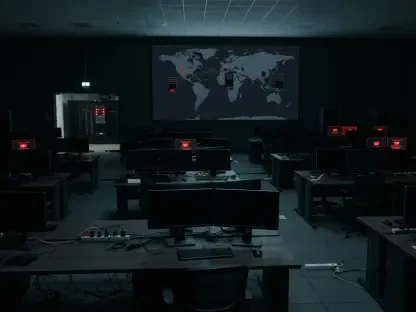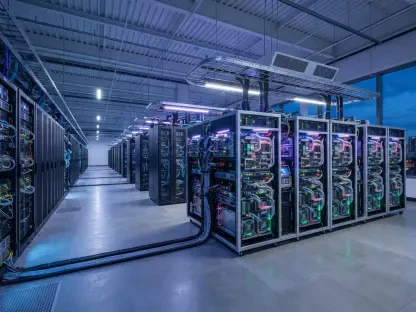
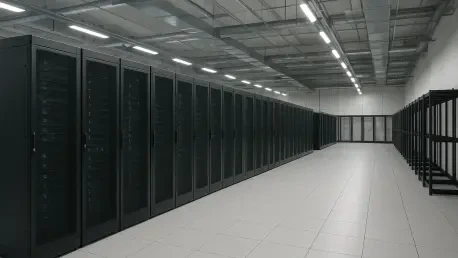
As artificial intelligence drives a surge in data storage needs, the environmental footprint of these massive facilities has become a central point of legislative friction. This tension is nowhere more evident than in Scotland, where the conversion of the former Chapelcross nuclear plant into a
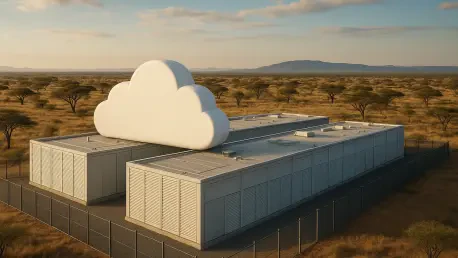
The mission for the new leadership at evoila Africa involves presenting private cloud technology as a high-performance alternative rather than a total replacement for public services. As digital ecosystems across the continent mature, enterprises are finding that the initial promise of infinite

Operational resilience in 2026 requires moving beyond static spreadsheets toward automated systems that flag concentration thresholds before new procurement contracts are signed. The global financial architecture has undergone a radical transformation, moving from legacy on-premise data centers to
Navigating the Disconnect: AI Potential Versus Business Reality The promise of Artificial Intelligence has captivated the British corporate world, promising a new era of efficiency and innovation. However, a significant disconnect has emerged between this high-level ambition and the reality of

Forcing a transition toward open interoperability, the latest EU guidance effectively prohibits software companies from using technical silos as a retention strategy. The European Commission released definitive guidance on the EU Data Act on October 6, 2026, marking a pivotal moment for the

The rapid expansion of the Internet of Things has created a massive global attack surface that cybercriminals exploit to launch devastating Distributed Denial of Service attacks. In 2026, the density of connected devices in smart cities and industrial hubs has reached a point where traditional,