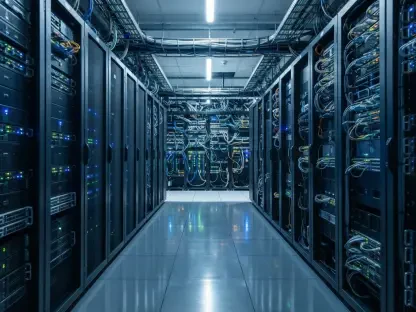

The transition into what AWS calls the intelligence era is defined by the ability to understand and personalize every single frame of live video for global audiences. For years, the streaming industry focused on the fundamental challenges of delivering high-definition content over unpredictable
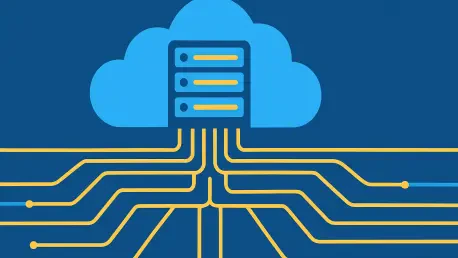
The massive concrete shells of data centers rising across the American desert are no longer just storage lockers for digital records; they are the physical manifestation of a legacy software giant’s relentless pursuit of the next industrial frontier. This shift marks a departure from the

Many corporate leaders assumed that once their infrastructure reached the cloud, the logistical nightmares of the hardware era would vanish into digital thin air. Instead, the massive data centers that defined the early cloud era have become the foundation for a more subtle, yet equally

Information security data lakes allow organizations to detect potential threats in real-time by treating data engineering pipelines as the primary line of defense against breaches. This sophisticated approach to infrastructure represents the current standard for high-scale data management, where

Enterprises that embrace the AI learning curve early can compound their gains by using automated platforms to solve complex supply chain bottlenecks. In the current technological landscape, moving fragmented on-premises data to a unified cloud environment is no longer just a technical upgrade; it
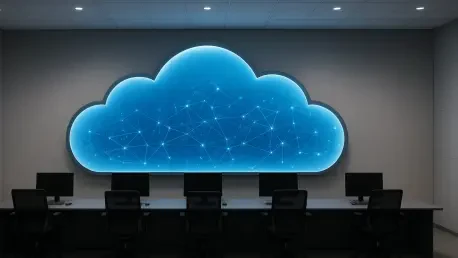
Standardized inventory and real-time topology mapping allow teams to visualize the ripple effects of a change or failure across the entire infrastructure stack. This shift marks a departure from the historical reliance on siloed management tools that often hindered fast response times. As