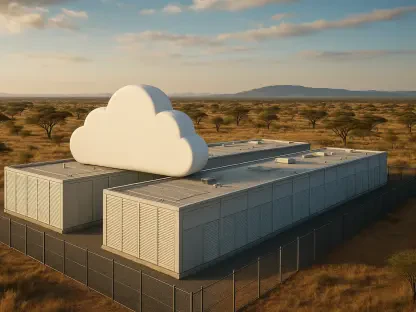

Boardrooms confronted with cross-border subpoenas, shifting sanctions lists, and sudden export controls are redrawing cloud maps overnight to keep core systems resilient and within reach of domestic legal protections. That urgency has a name: geopatriation—the deliberate relocation of sensitive
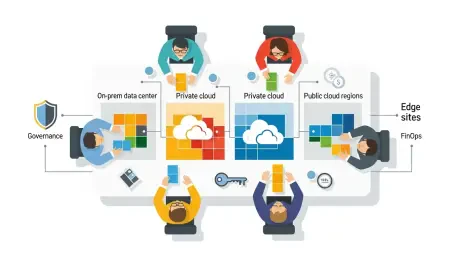
Boards demanded AI everywhere, regulators tightened oversight on data movement, and architects struggled to keep latency and sovereignty in check without spiking costs or fracturing operations across silos that never quite aligned with business risk or developer speed. Against that backdrop,

The architectural landscape of enterprise technology has undergone a fundamental transformation as organizations move away from the rigid mandates of the cloud-first era toward a more nuanced philosophy of control-first operations. This transition marks a departure from the simplistic assumption

The rigid architecture of traditional broadcast hardware often forces media companies to choose between reliability and flexibility, creating bottlenecks in global production cycles. Matrox Video and Amagi have recently disrupted this long-standing trade-off by entering into a strategic partnership

The global demand for high-speed data processing has reached an unprecedented peak, forcing organizations to reconsider the viability of traditional concrete-and-steel facilities that often take years to materialize. As the digital economy accelerates, the shift toward prefabricated, modular units
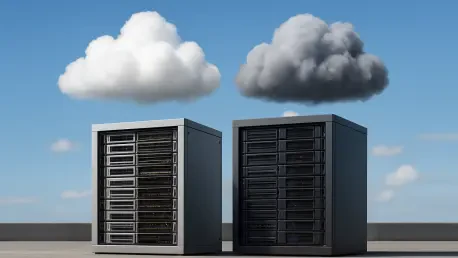
The sudden realization that monolithic public cloud strategies are insufficient for the heavy lifting of generative artificial intelligence has sparked a massive architectural reconfiguration across the global corporate landscape. For nearly fifteen years, the prevailing wisdom suggested that