
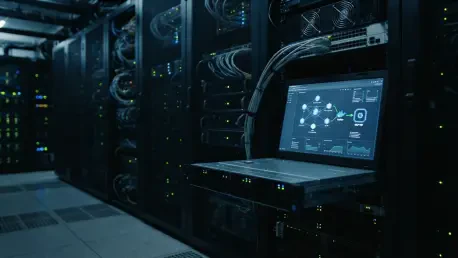
The landscape of cloud infrastructure management in 2026 has undergone a fundamental shift toward a philosophy often described as frugal engineering, where architectural success is measured by the density of performance relative to operational cost. Organizations have largely moved away from the

While the service excels at basic desktop and server protection, it lacks advanced features such as the ability to password-lock individual files within the cloud storage environment. This specific limitation highlights the broader philosophy of the platform, which prioritizes seamless, automated
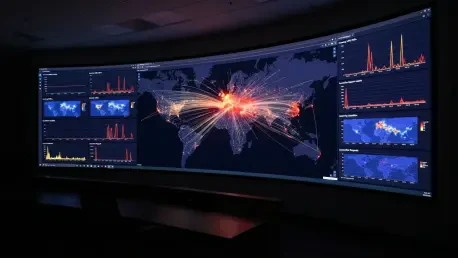
Identifying the most critical data features through genetic algorithms reduces the computational overhead required for real-time intrusion monitoring. This specific advancement is central to the NEAT-ID framework, a neuro-evolutionary attention-enhanced transformer designed to mitigate the

Platform giants like Douyin and Kuaishou have intensified their crackdown on low-quality, looped pre-recorded broadcasts, effectively ending the era of mass-shipped, low-end digital human clones. This regulatory tightening serves as a backdrop to a much larger strategic reconfiguration within the

The technological landscape of the mid-2020s has been defined by a relentless pursuit of integration and accessibility, leading to a pivotal realignment of how artificial intelligence is deployed at the enterprise level. The ability to run OpenAI’s agentic workflows directly on Google’s

Managing identity for AI agents requires robust token exchange mechanisms to ensure that the agent operates strictly within the security context of the human user it assists. This fundamental requirement addresses a growing friction point in enterprise environments where the deployment of

Transitioning to autonomous self-learning security systems is becoming a necessity as 5G becomes the primary backbone for global mobile connectivity and data exchange. As these networks evolve from simple communication pipes into complex ecosystems supporting billions of Internet of Things (IoT)

European regulators have clarified that computing capacity is only subject to the Data Act if it is the primary purpose of the service rather than an incidental byproduct of a physical device or application. This pivotal distinction serves as the foundation for the 52-page draft guidance released
A phased modernization strategy allows companies to introduce Kubernetes for high-demand workloads while maintaining legacy systems for static operational tasks. This approach represents a fundamental transition in how geographic information systems function within a modern corporate IT

Enterprises must now reorganize their digital foundations and localize data closer to compute resources to support the distinctive traffic patterns created by proactive AI partners. While the initial wave of generative AI focused heavily on Graphics Processing Units (GPUs) for model training, the
1 2 3 4 5 6 7 8 9 10 11 12 13 14 15 16 17 18 19 20 21 22 23 24 25 26 27 28 29 30 31 32 33 34 35 36 37 38 39 40 41 42 43 44 45 46 47 48 49 50 51 52 53 54 55 56 57 58 59 60 61 62 63 64 65 66 67 68 69 70 71 72 73 74 75 76 77 78 79 80 81 82 83 84 85 86 87 88


